

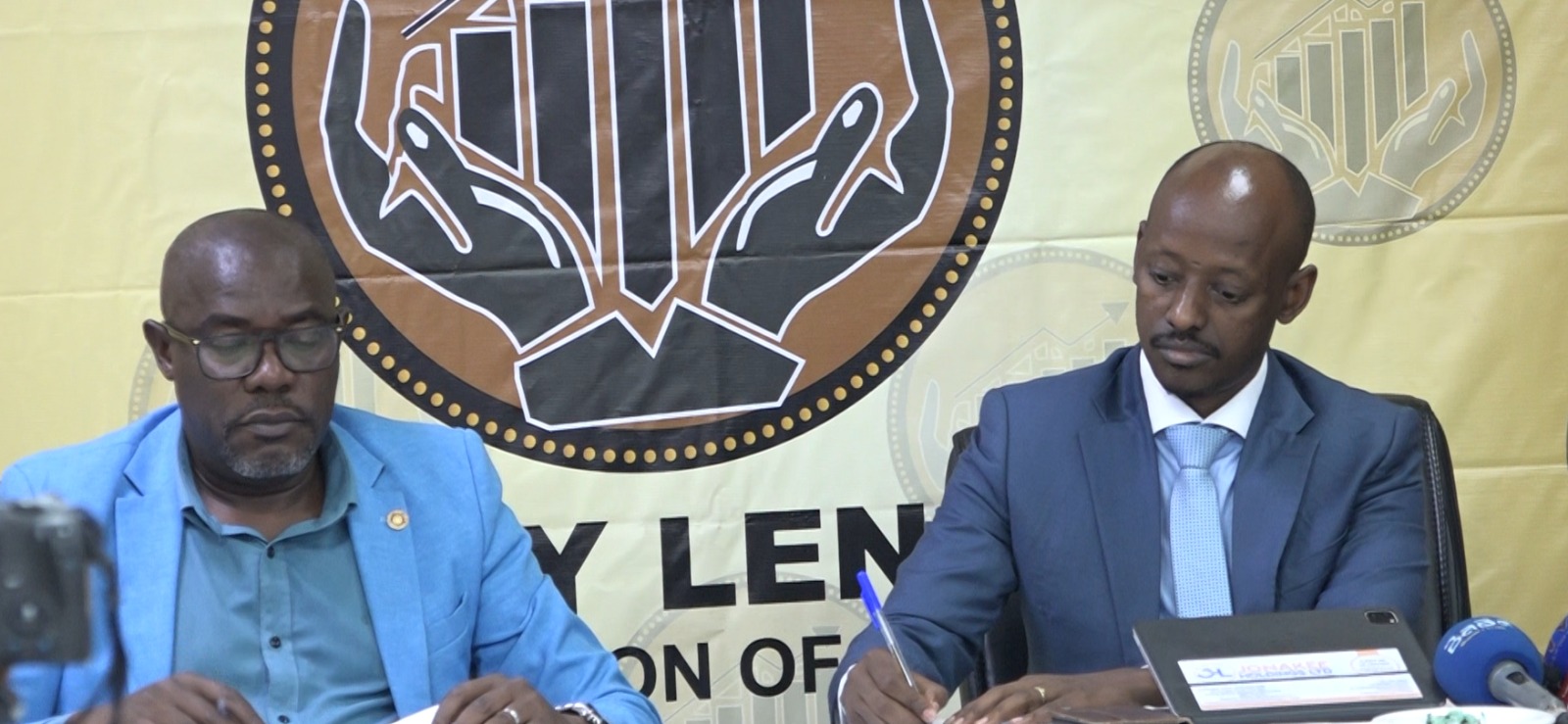
The money lending industry has gone to court to challenge the 2.8% monthly interest rate cap imposed by the government through the Uganda Microfinance Regulatory Authority (UMRA), calling it unfair, unrealistic, and economically damaging.
The Moneylenders Association of Uganda announced during its 2025 Annual General Meeting (AGM) in Kampala that it had filed a case seeking to halt enforcement of the directive, arguing that the government has no legal or economic basis to dictate interest rates for privately raised capital.
Association leaders said the cap undermines free-market principles and could cripple the industry, which plays a crucial role in extending credit to individuals excluded from the formal banking system.
“If government does not provide us with money or capital, why should it dictate what interest rate we charge?” said association executive Akandwanaho.
“This is private money. We take the risk, and we should have the right to determine our rates.”
The lenders maintained that market dynamics—not blanket government directives—should determine loan pricing in the private credit space.
While criticizing the cap, the association also urged UMRA to strengthen enforcement to eliminate rogue operators who exploit borrowers and tarnish the industry’s image.
They said unlicensed and predatory lenders who harass clients, confiscate property illegally, and charge hidden fees have given the sector a bad reputation.
“There are quacks and unregistered dealers giving money lending a bad name,” the association stated.
“We support regulation, but it must target the wrong actors, not punish legitimate businesses.”
They warned that enforcing the 2.8% ceiling would drive many legitimate lenders out of business, reducing access to emergency credit for low-income Ugandans, small traders, and boda–boda riders who depend on quick, short-term loans.
According to the association, money lenders fill a vital financial gap by serving clients banks often reject.
Restricting loan pricing, they argue, would push desperate borrowers back to unregulated loan sharks, reversing years of progress in financial inclusion.
The association confirmed that a lawsuit has been filed and that it will seek a court injunction to suspend the rate cap pending full judicial review.
It also called for a stakeholder dialogue involving private lenders, UMRA, the Ministry of Finance, and consumer protection groups to agree on a fair regulatory framework that balances borrower protection with business sustainability.
If the court rules in favor of the association, it could set a precedent defining the limits of government intervention in Uganda’s private credit market.
